

Unsere Steinsägen.
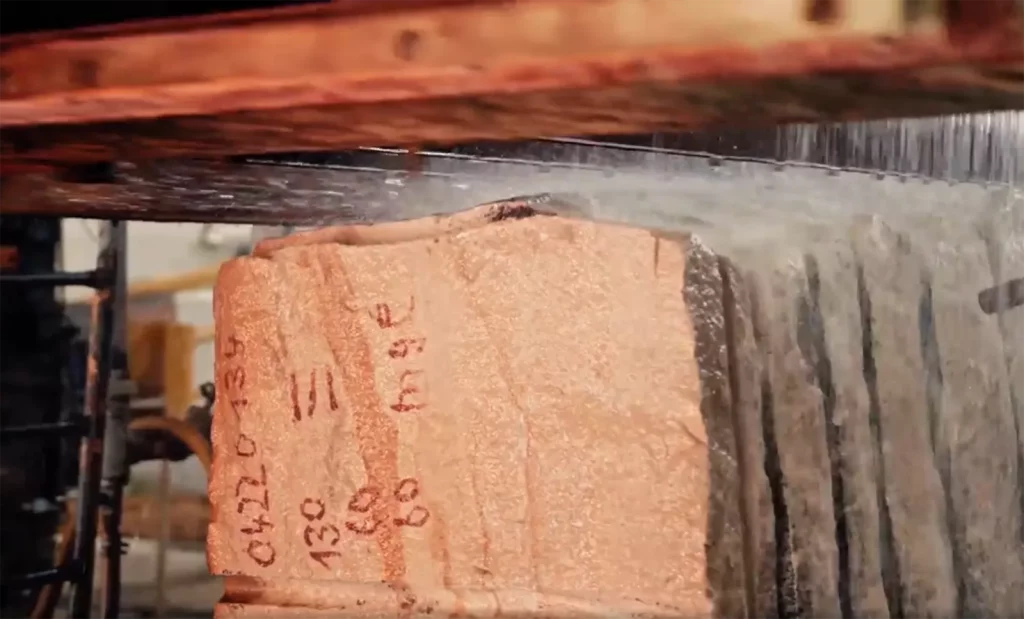
Laut. Mit Diamanten besetzt. Viel Wasser. Ein wesentlicher Bearbeitungsschritt um die großen Blöcke aus dem Steinbruch in „handliche“ Rohtafeln zu schneiden. Fakt: Unsere Kunden können diese Tafeln kaufen und selbstständig ihre Werkstücke herstellen Oder uns wird gesagt, was gewünscht ist und wir übernehmen das.
Kleine Sanierung, große Wirkung: Warum für uns kein Bauvorhaben zu klein ist
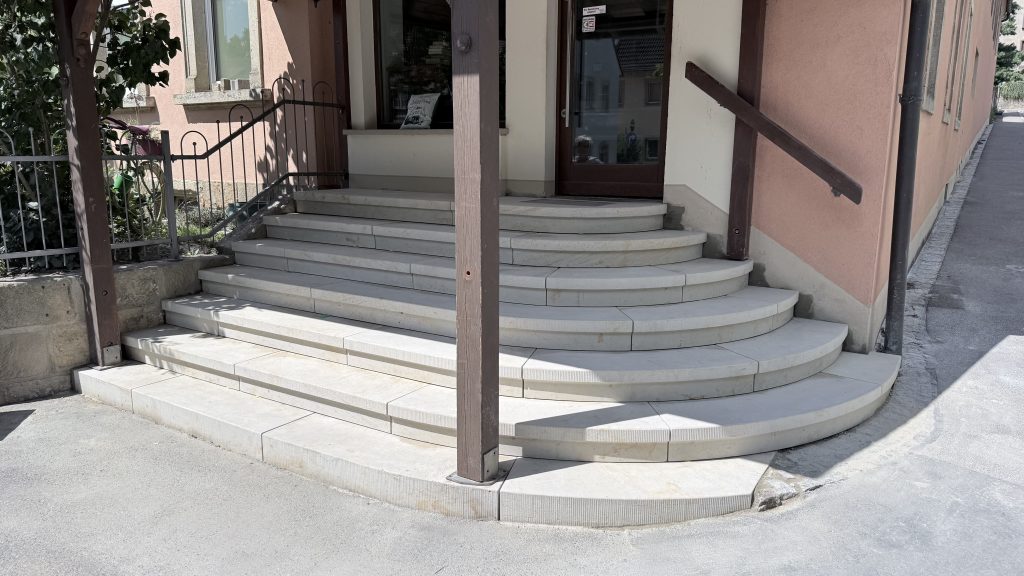
„Machen Sie eigentlich auch kleinere Sanierungen?“ Diese Frage hören wir in letzter Zeit immer häufiger. Dahinter steckt oftmals die Annahme, dass sich unser Unternehmen vor allem um große Bauvorhaben, umfangreiche Fassadensanierungen oder komplette Gebäude kümmert – und kleinere Projekte vielleicht gar nicht interessant sind. Bei uns ist das anders. Für uns ist kein Bauvorhaben zu […]
Vom Steinbruch direkt ins Projekt – unser Sandstein-Rohblocklager
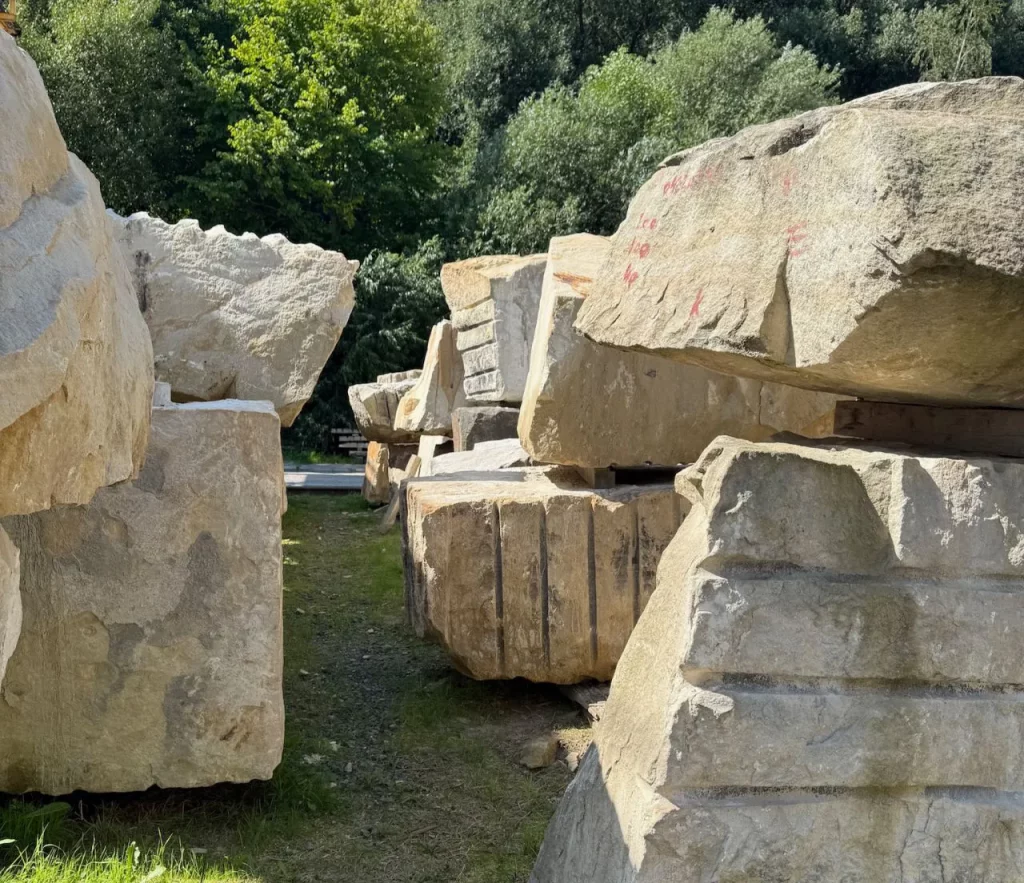
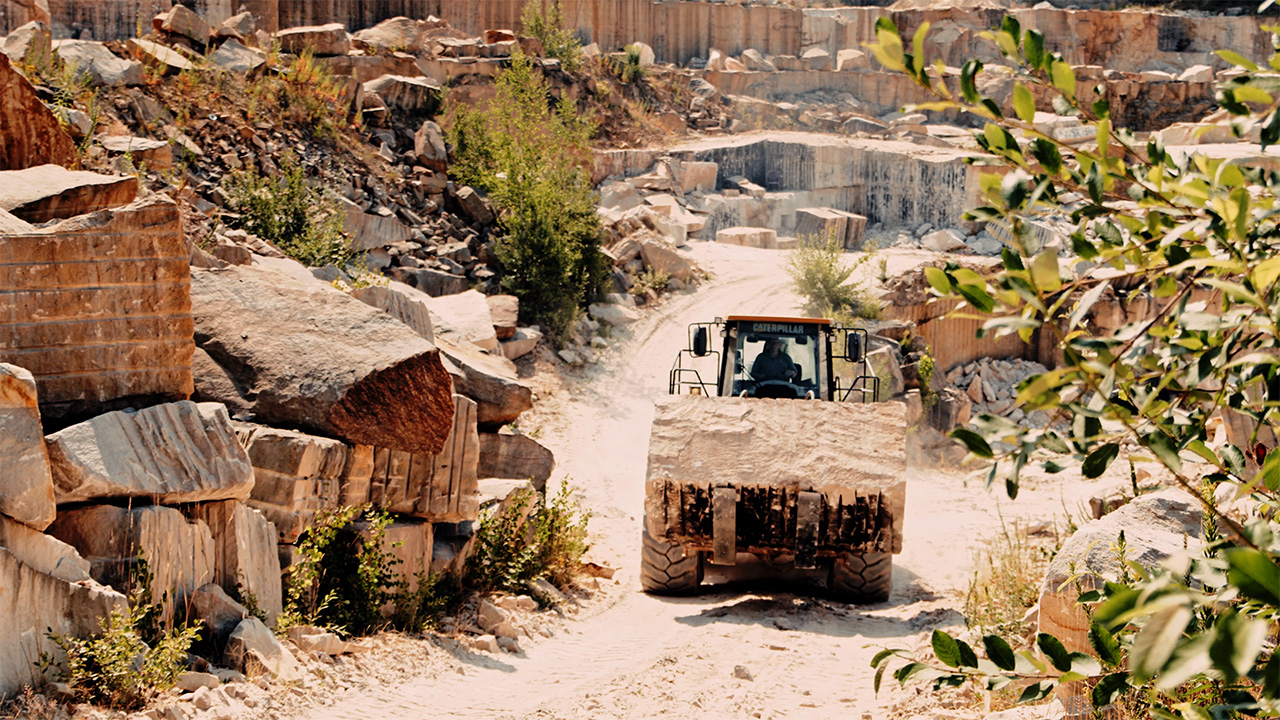
Bei uns beginnt Qualität schon beim Ursprung: dem Steinbruch. Nach dem Abbau, erfolgt die Lagerung in unserem Rohblocklager. Das bietet uns die Möglichkeit, Sandsteinblöcke direkt vor Ort auszuwählen – perfekt abgestimmt auf jedes Projekt. Vorteile für dich: So entstehen Produkte, die nicht nur optisch überzeugen, sondern auch eine Geschichte erzählen.
Shipping – How Will My Product Be Delivered to Me?
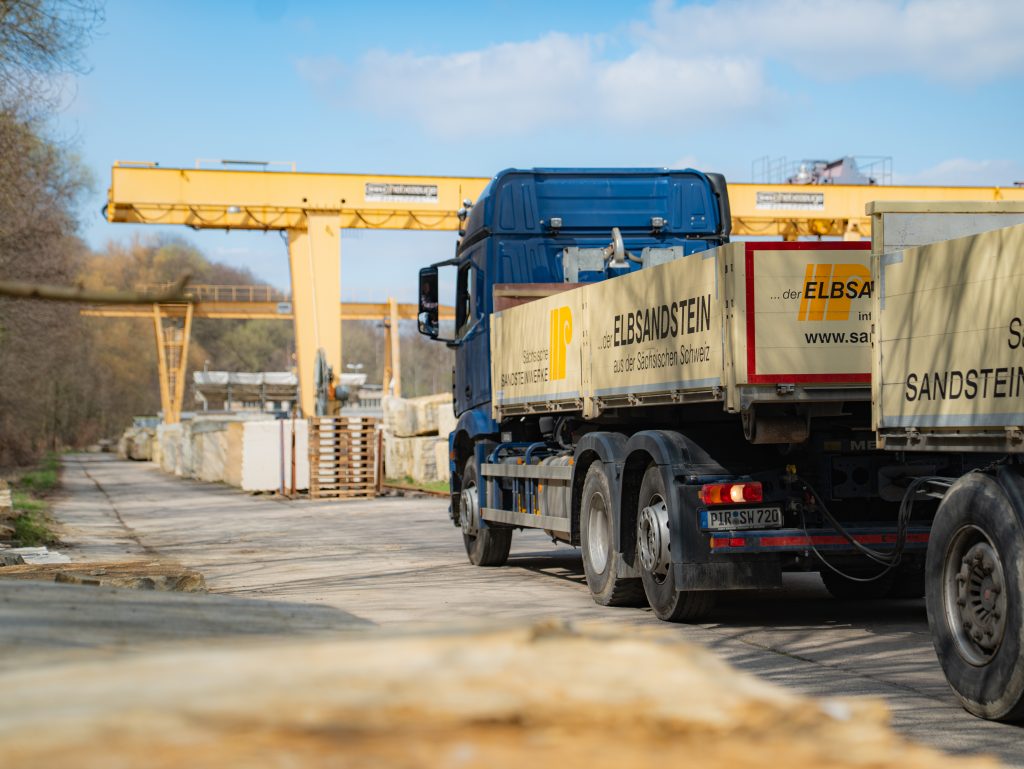
Many people think that once they’ve chosen the right Elbe sandstone, the job is done. In fact, another important step begins after that: safe and appropriate transportation—both nationwide and across state lines! That’s why we offer you various options for receiving your Elbe sandstone in the way that best suits your project. We deliver directly to […]
Did you know that not all sandstone is the same?
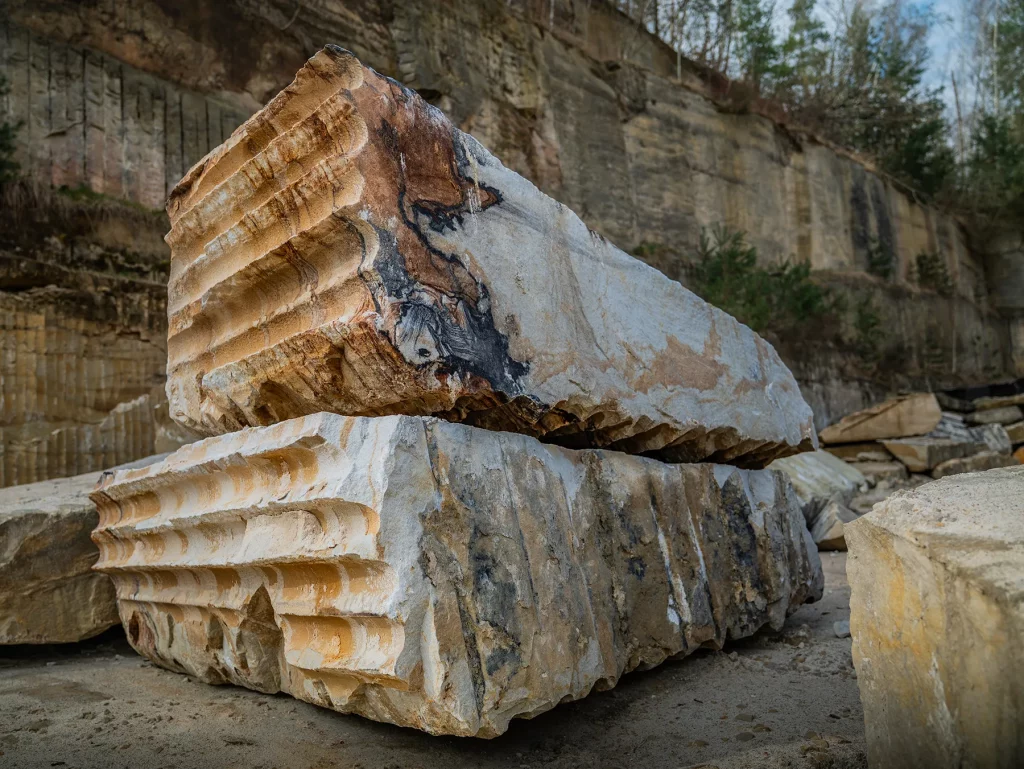
It is formed by the consolidation of grains of sand—but depending on its mineral composition, pressure, and time, it can develop completely different properties. No wonder this natural stone plays a major role in architecture, historic preservation, and even modern urban design. Our Elbe sandstone is characterized by its very high hardness and, consequently, its durability. But […]
Natural Stone vs. Concrete – Which Is Really the Better Investment?

In many construction projects, decision-makers face the same question: natural stone or concrete? What at first glance appears to be a simple cost issue reveals a different picture upon closer inspection: natural stone vs. concrete. In short: what seems inexpensive in the short term can end up being expensive in the long run. Natural stone is an investment in durability—both ecologically and economically.
A natural spectacle in the quarry

Yesterday, a truly wonderful moment unfolded at one of our quarries: a freshly quarried block of stone revealed its beauty in its purest form. Kissed by the sun, the colors made the stone glow in every direction. So impressive, so pristine—only nature itself can create something like this. I love our Elbe sandstone!
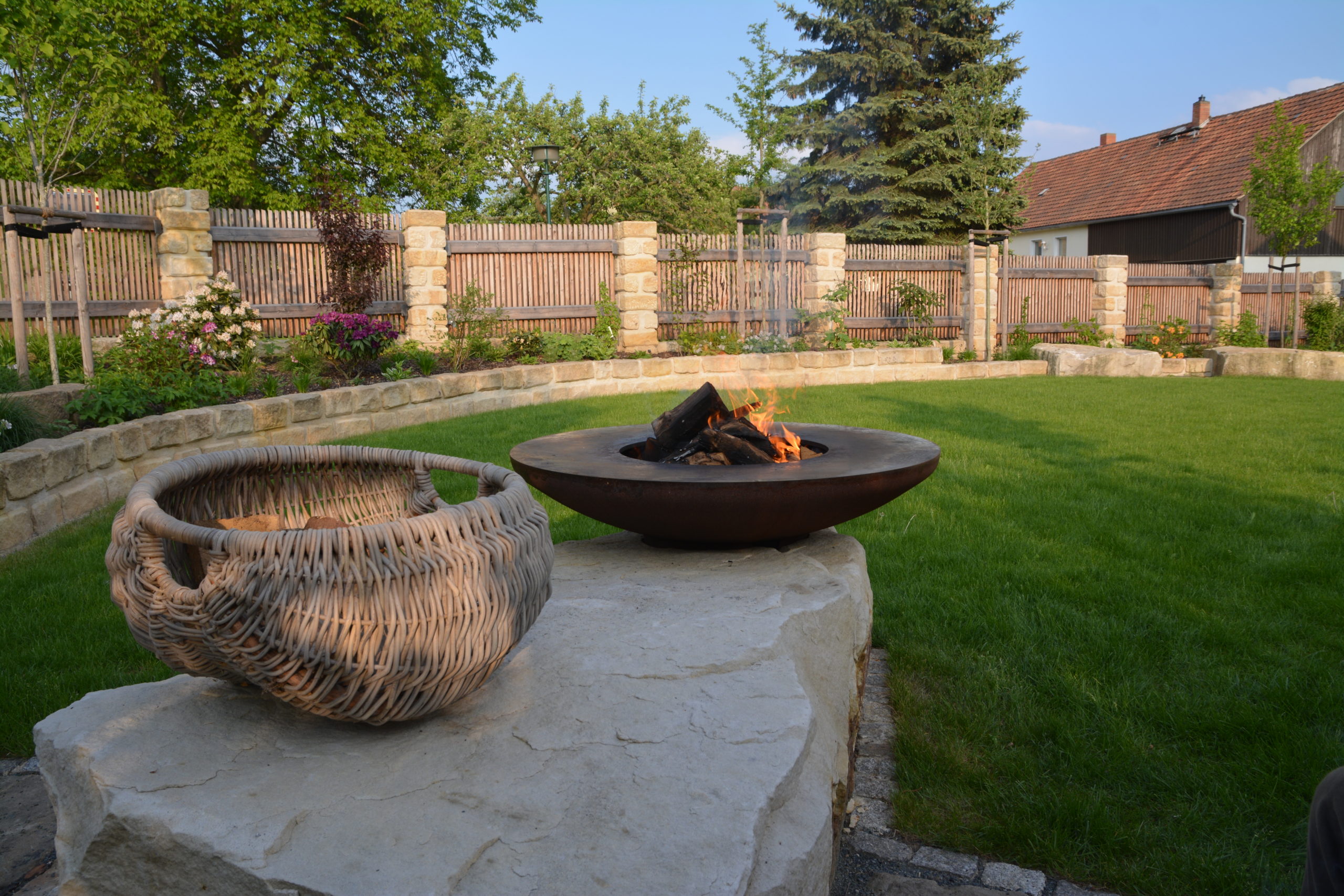
Sandstone in the garden is more than just a design element!

Serving both as a wall and as slope protection, it combines aesthetics with functionality. The material has a calm, natural look—almost as if it had always been part of the landscape. Its natural colors blend in with the surroundings and vegetation rather than drawing attention to itself. That is precisely where its strength lies: it stabilizes, protects, and provides structure without […]
Wall Restoration – Restoration Instead of Demolition.

Some walls are more than just stone upon stone. They tell stories. Of the hands that once built them. Of the years that have left their mark. Of weather, change, and time. So why tear them down when you can preserve them? Restoring walls with natural materials opens up countless possibilities. Clay, lime, natural stone, or mineral-based plasters […]
SANDSTONE TYPES AT A GLANCE

Not all sandstone is the same. Half of it consists of sand grains and is the generic term for various types with specific properties, such as texture, color and weather resistance. The size spectrum of sand grains ranges from 0.063 mm to 2 mm, rarely up to 4mm. Worldwide there are large deposits and also in Germany the sandstone is a highly valued [...]