We live sandstone

Please note our extended shutdown from 12/19/2022 to 01/06/2023.

Did you know that not all sandstone is the same?

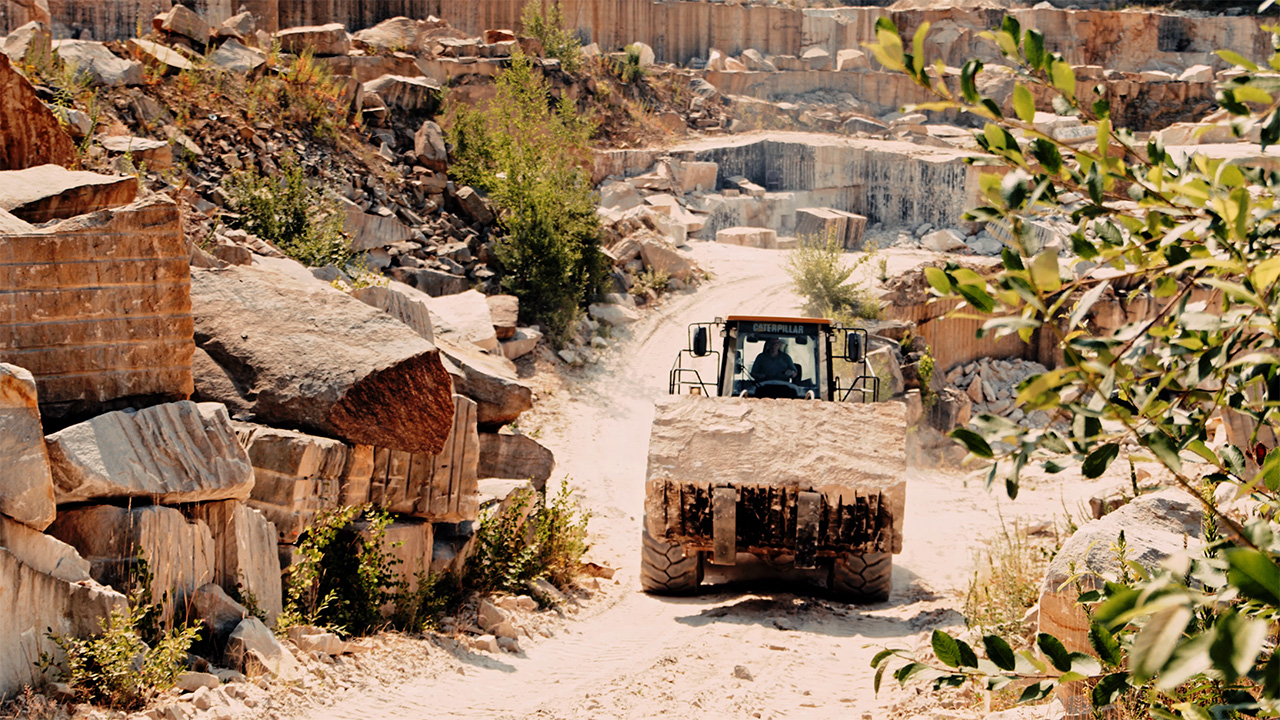
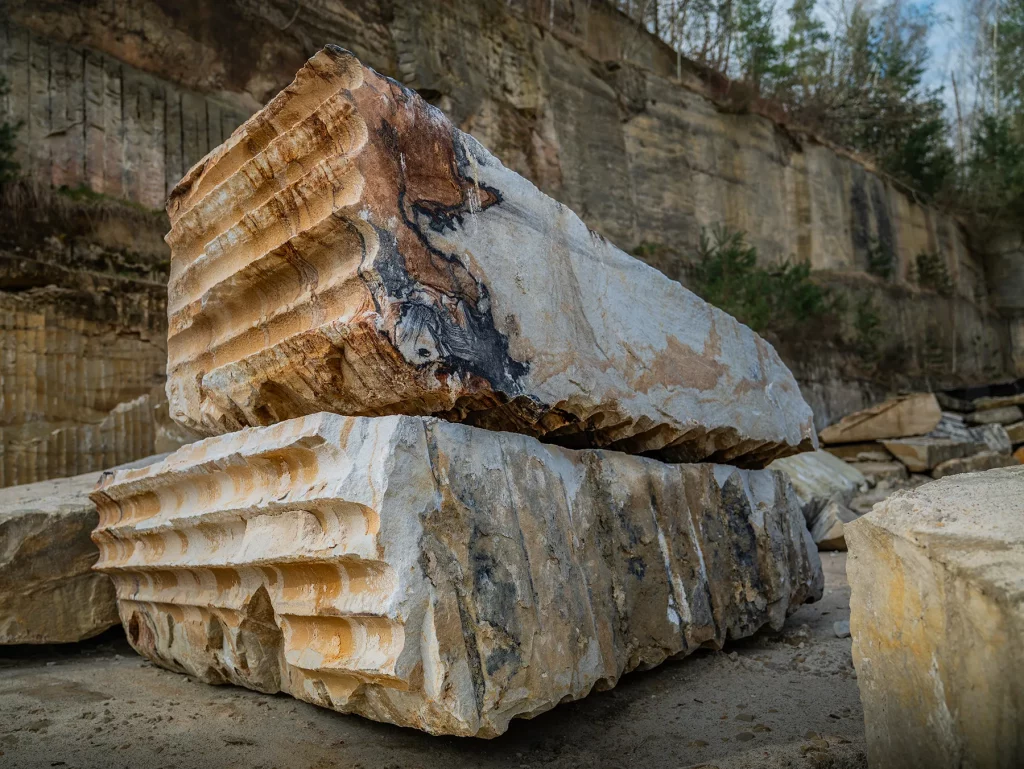
Large, weathered boulders with jagged edges, stacked in an open-air quarry, surrounded by rock faces and sparse trees in the background.

It is formed by the consolidation of grains of sand—but depending on its mineral composition, pressure, and time, it can develop completely different properties.

  • Variety of colors: From yellow to red to gray—the color palette depends on the mineral content, particularly the iron content.
  • Porosity: Some sandstones are permeable to water, while others are nearly impermeable—an important factor for buildings!
  • Weather resistance: Depending on the binder (e.g., lime or quartz), sandstone can last for centuries or weather away quickly.

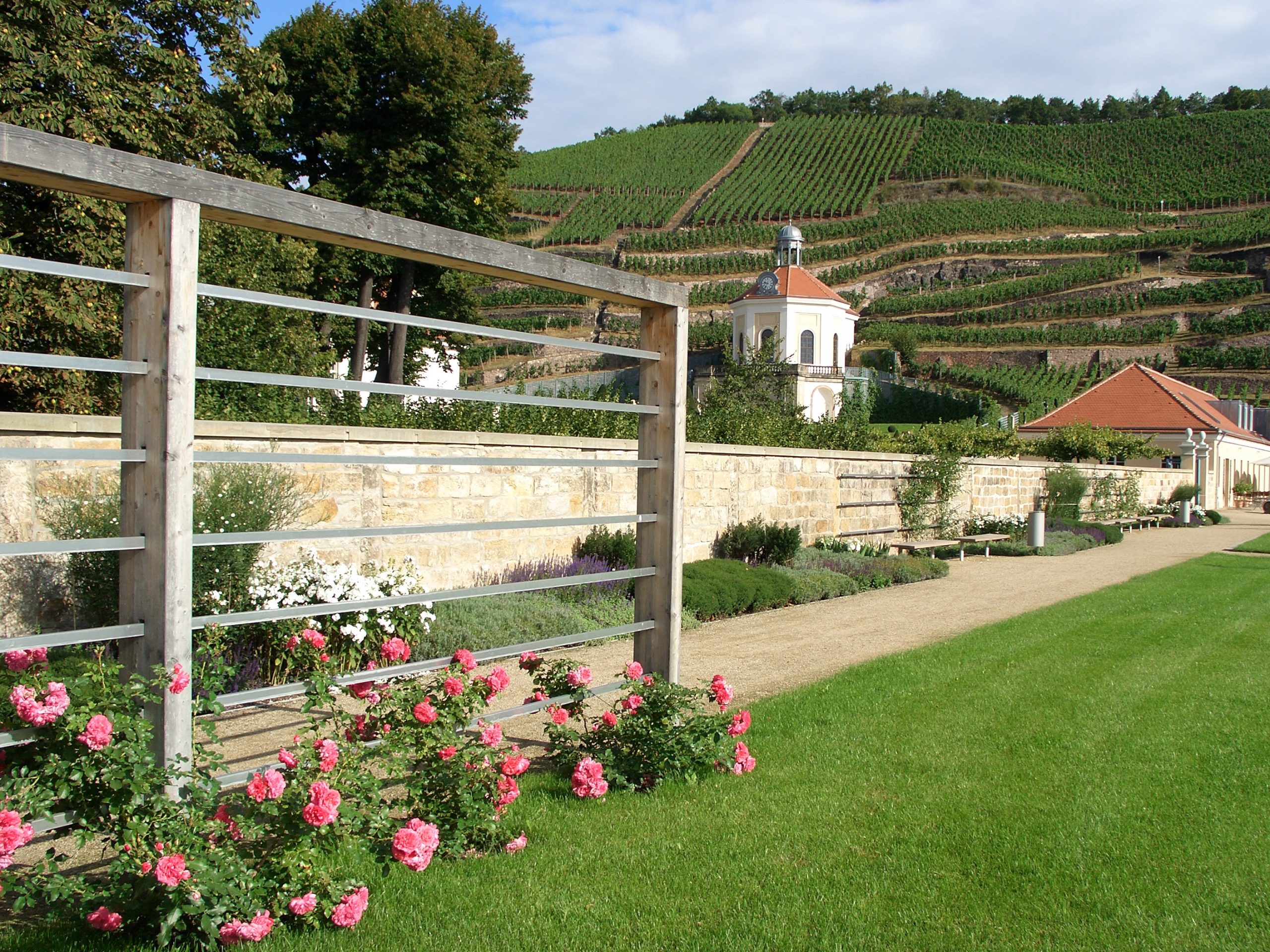
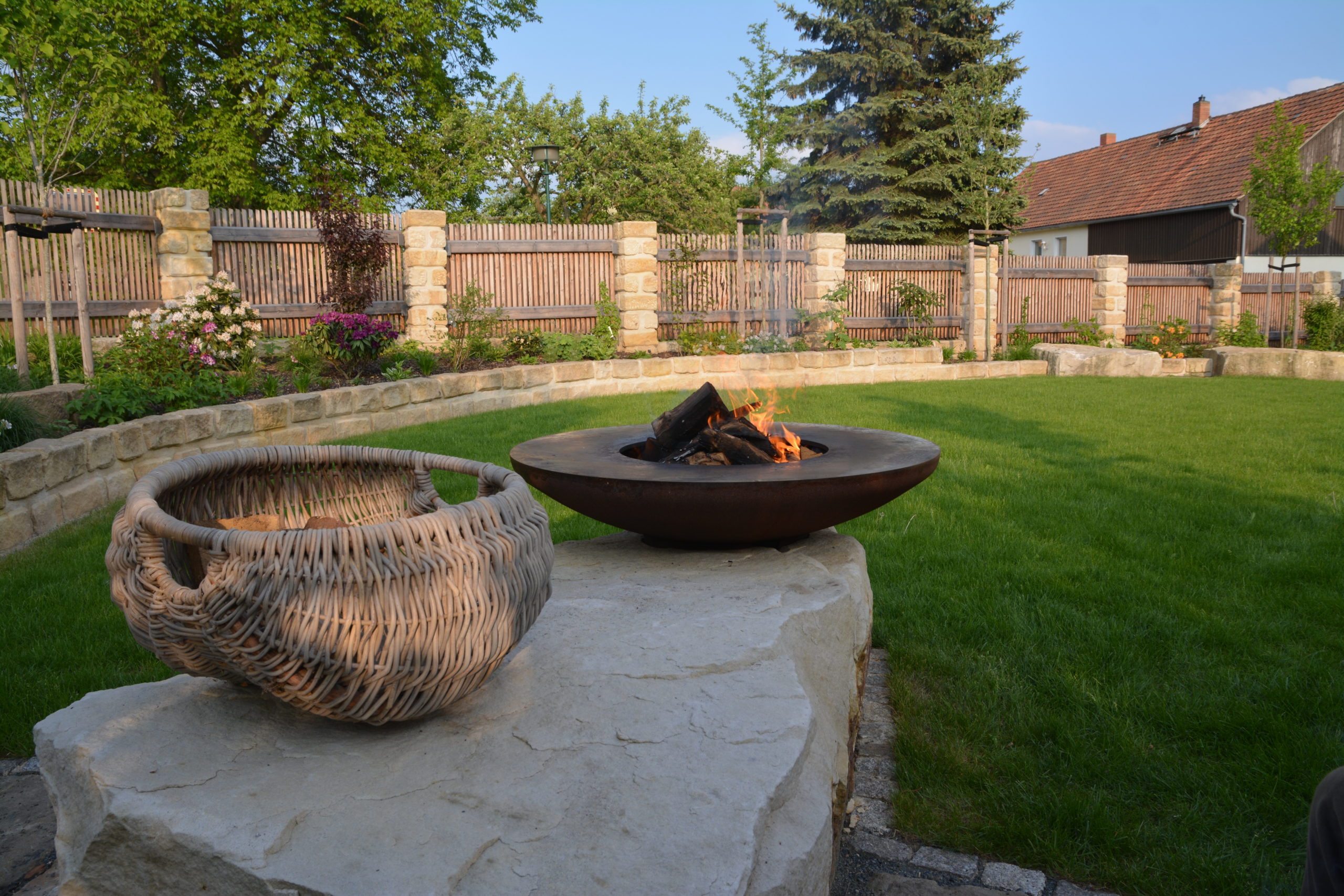
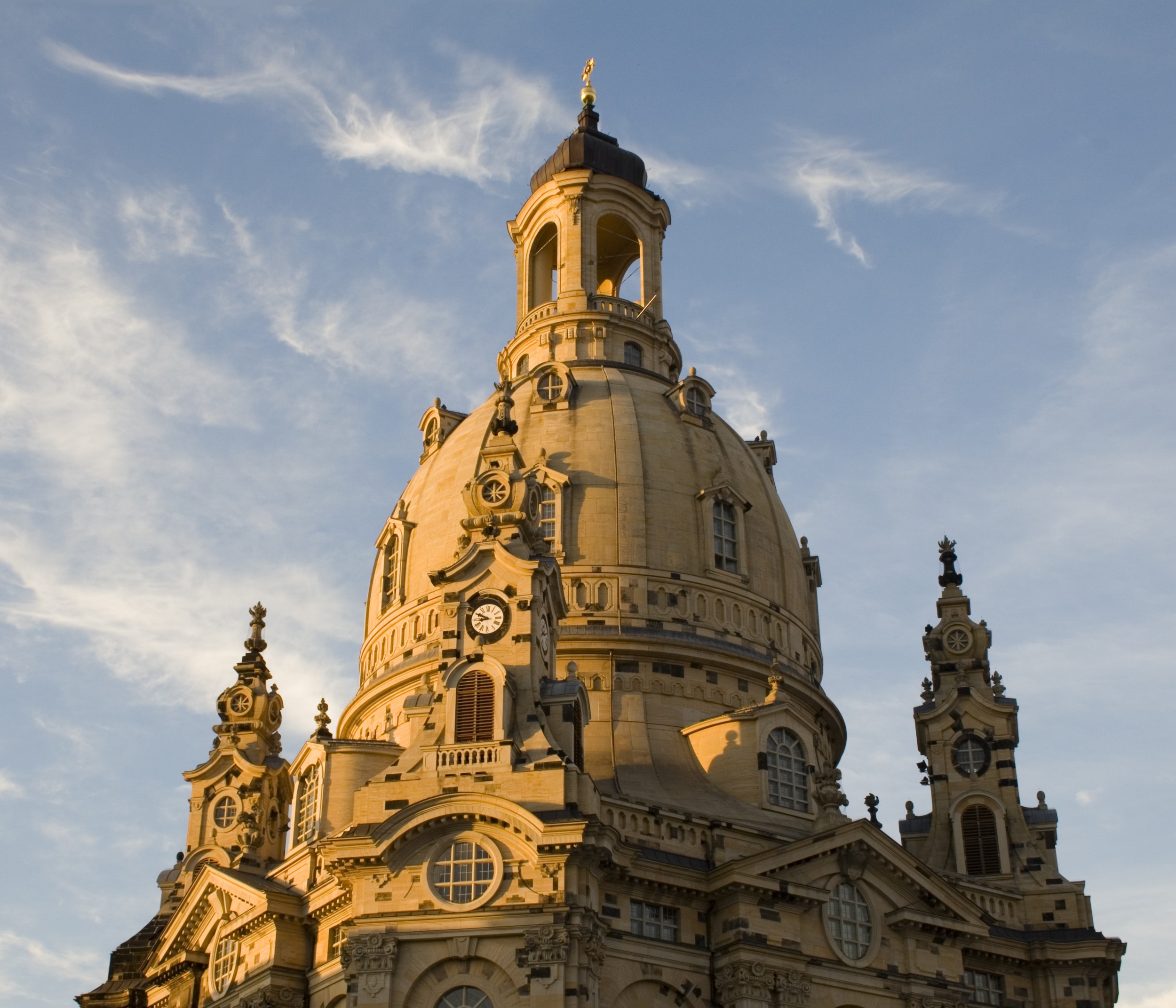
No wonder this natural stone plays such an important role in architecture, historic preservation, and even modern urban design.

Our Elbe sandstone is characterized by its very high hardness and, consequently, its durability.

But even within our three different quarry sites, the stone has very different properties. That’s why we’re happy to advise our customers based on the stone’s intended use.

Feel free to talk to me about it

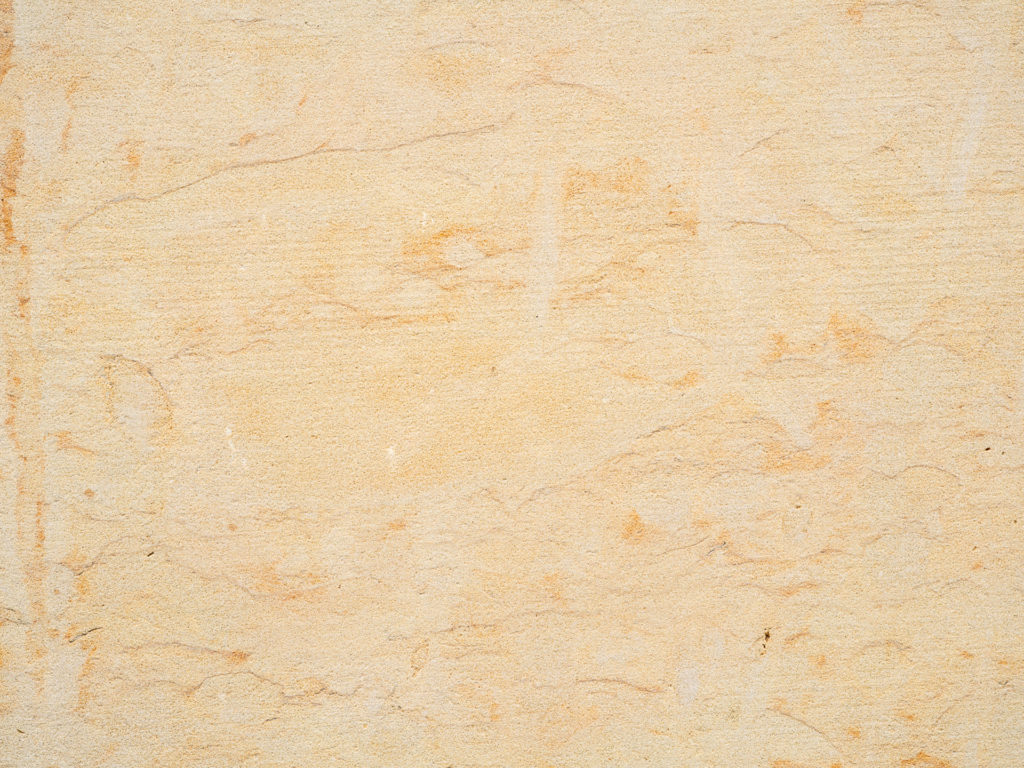
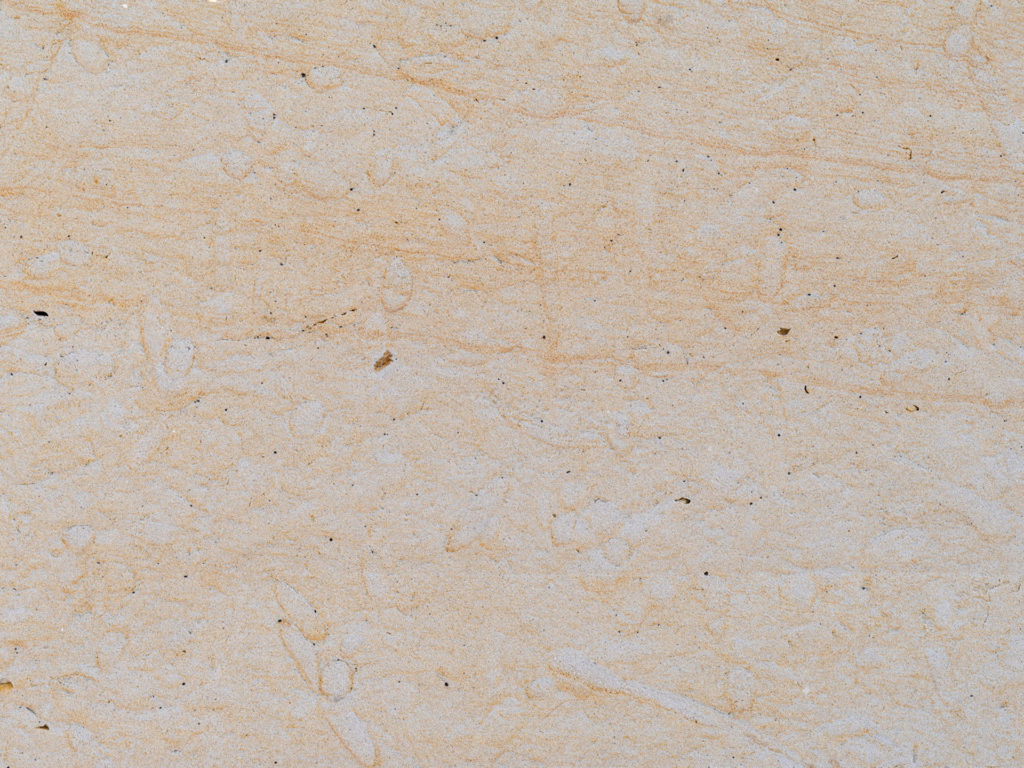
Here are some pictures of what our three stones MIGHT look like. There are significant differences here as well, because each quarry has different quarry faces, and the colors vary greatly from one to the next.
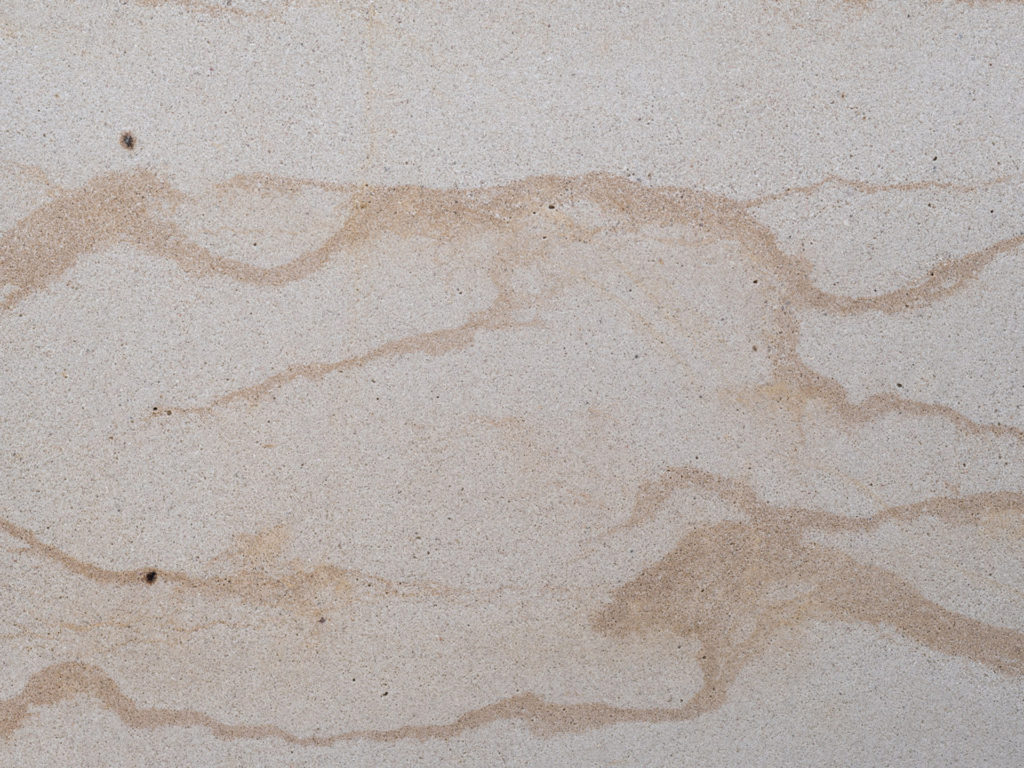
Postaer sandstone with subtle, wavy brown lines running horizontally across its surface. The texture appears smooth and natural, reminiscent of layered sand or rock from a sandstone field. A few small dark spots are visible here and there.

Postaer Sandstone

Reinhardtsdorf sandstone with a few scattered small fragments and faint markings. The image shows a detailed view of the sandstone's surface and highlights its fine grain and subtle color variations.

Reinhardtsdorf sandstone

Cotta sandstone with a beige, textured surface featuring subtle, irregular lines and faint, natural patterns. The texture appears rough and slightly uneven, resembling either sandpaper or an unfinished stone surface from the Saxon Sandstone Quarries. Light and dark shades of beige lend depth to the scene.

Cotta sandstone

About the Author

Lisa Müller

My love for stone was practically in my blood from the very beginning: My great-great-grandfather founded our family business, laying the foundation for a tradition that I continue to this day with great passion. On my blog, I’ll take you on a journey into this world: Here you’ll find the latest news, helpful guides, and plenty of inspiration about this unique material.