

A question I get asked really often:
Why is domestic/German sandstone actually better than the less expensive “Rainbow Sandstone” from India?
Here's the explanation:
1. Local Sourcing & Sustainability
- Shorter transport distances reduce the carbon footprint.
- Improved traceability and compliance with environmental and labor standards.
2. Consistency in Quality and Materials
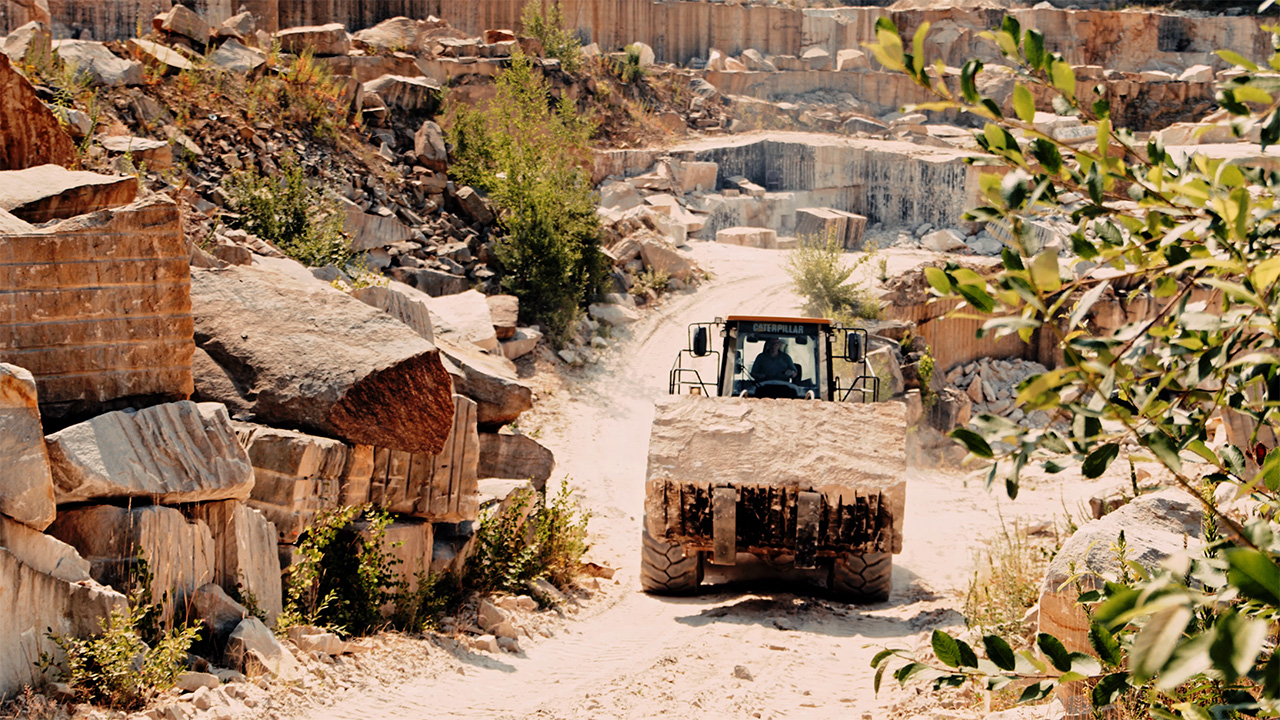
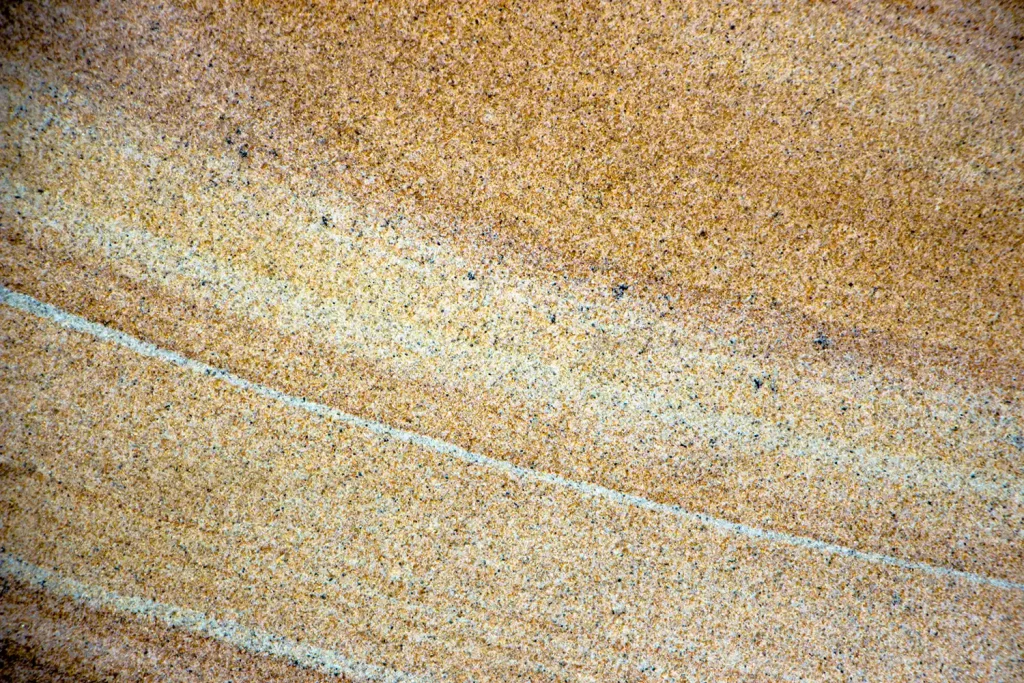
- German sandstones (e.g., Elbe sandstone, Main sandstone) often have a more uniform structure and strength.
- Greater control over rock extraction and processing.
3. Frost Resistance & Weather Resistance
- Many German sandstones are well-suited to the Central European climate and exhibit greater resistance to frost and weathering.
- Indian sandstone is quarried in warm climates and can sometimes be susceptible to frost damage.
4. Standard-Compliant Testing & DIN Certification
- German natural stones are subject to strict construction product standards (e.g., DIN EN 12326).
- Safety and durability data are documented and reliable.
5. Better collaboration & the option to make additional purchases
- Communication with quarries or suppliers is easier.
- It is easier to source identical stones for restoration projects.
6. Cultural and Aesthetic Integration
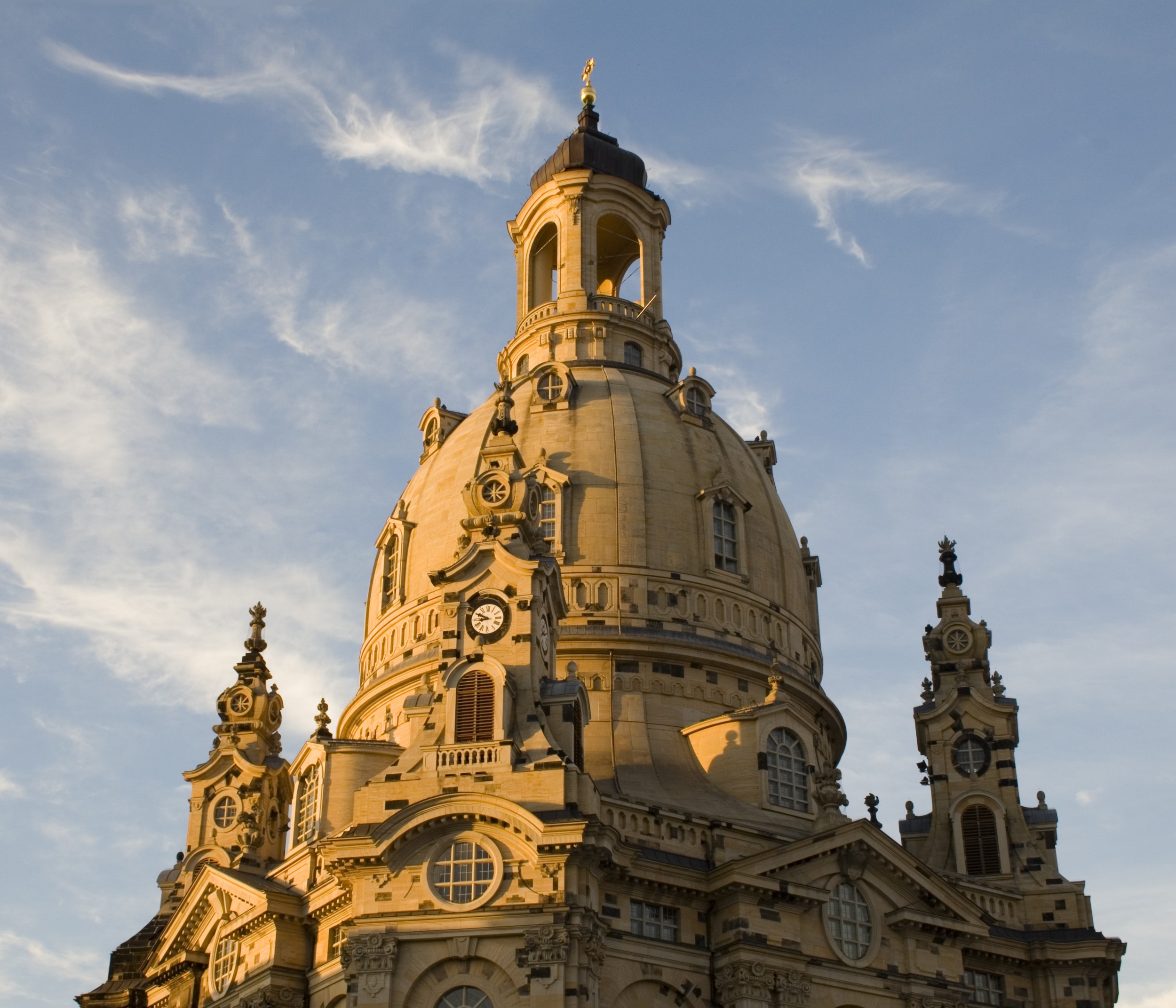
- Visually better suited to historical or regional architecture.
- It is often the preferred choice for historic buildings.
While Indian sandstone is often less expensive and comes in a wide variety of colors, German sandstone stands out for its better adaptation to local climatic conditions, higher quality standards, sustainability, and availability for repeat orders.